• Welcome to the new Macedonian Truth Forum. All posts, members and private messages have been moved over from the old forum.

    Passwords from the old forum could not be carried over, so please use Forgot your password? to set a new one. The reset link is emailed to the address on your account.

  • Rules and Regulations at the forum of the Macedonian Truth Organisation (MTO)

    (1) The national-ethnic and cultural-linguistic identity of the Macedonian people is historically Macedonian, and derives its character from the native, indigenous and geographic homeland of the Macedonians, which is called Macedonia. To ensure that their human rights, integrity and heritage are appropriately respected, the only nouns and adjectives acceptable when reference is made to the above character and identity markers is Macedon, Macedonia, Macedonian and Macedonians.

    (2) The nation-state of the Macedonian people is the Republic of Macedonia, and is to be referred to by this official title so long as the 'republic' prefix is consistently applied to other states. Alternative references are the Macedonian Republic, or simply, Macedonia.

    (3) The 'ethnic' prefix is only acceptable for Macedonians in cases where differentiation is specifically required - so long as it is in context and consistent where it concerns its application to other ethnic groups.

    (4) Should any other differentiation be specifically required, the names of other ethnic groups that reside with Macedonians in either the Republic of Macedonia or the occupied Macedonian regions in Greece, Bulgaria, Serbia or Albania, are to be given a prefix.

    (5) Negating the identity, language and culture of the Macedonian people by deliberate avoidance of the terms Macedonia, Macedonian and Macedonians, or by any other means, is not permitted.

    (6) Systematic anti-Macedonian propaganda and rhetoric are not permitted.

    (7) Threads irrelevant to the Macedonian Cause, the community at the Macedonian Truth Organisation or the Macedonians in general may be considered as spam or not in the spirit of the forum. In such cases they are not permitted.

    (8) Continual posting of messages in threads with the sole purpose of deviating from the initial topics with the use of unrelated and unnecessary information is not permitted.

    (9) All posts, external articles, reports, etc that are cited in languages other than Macedonian or English, must be accompanied with a translation in one or both of the said languages.

    (10) Despite the possibility of some conversations and debates becoming heated, extreme abuse and/or racism, vulgar language and/or terminology, threats, revelation of personal information about others, harassment, and other such behavior will not be permitted. If deemed necessary all relevant information including member details will be reported to the appropriate authorities for investigation which may result in legal action.

    (11) Threads that are created must have a summary of a topic or excerpt of an article found in pertinent link(s) that have been included. One line threads will be considered unaccetable spam and are therefore not permitted.

    (12) Compulsive and deliberate lies, irrespective of the topic, are not permitted.

    (13) Any symbols or avatars found to be perceived as offensive to Macedonians are not permitted.

    (13) Any explicit or extreme material is not permitted.

    Failure to adhere to the above rules and regulations will result in a ban after 3 breaches. This may be reconsidered in some cases should the circumstances be of an unorthodox nature and/or require special consideration. To assure an effective deterrent against an individual or individuals with the sole purpose of causing dissent through spamming, racism or other improper means, the above rules will be strictly enforced.

    The MTO administration will monitor all discussions as reasonably practical and reserve the right to remove any post and/or member from the forum, and update the rules and regulations as required. Members are encouraged to immediately report any post and/or member to the MTO administration if they feel that these rules have not been abided by.

    The views expressed on this forum are those of the individuals. The only official representation of the MTO is made by the "Macedonian Truth Organisation (Site Owner)" username, and no other.

  • Macedonian Cause

    The Macedonian Truth Organisation calls on God in Heaven to protect, bless and guide the endeavour it is committing to undertake, and that is to work towards:

    Securing Macedonia as a free, independent and democratic republic in which sovereignty lies with the Macedonian citizens; as the nation-state of the Macedonian people in which they can preserve their culture, language and identity; as a state in which the Macedonian language and culture form the basis of public life and act as important unifying elements of Macedonian society; as the home of all its citizens to which it guarantees and obliges their inalienable natural rights and corresponding responsibilities;

    The acknowledgment as self-evident and irrefutable the existence of the:

    1) Indigenous, ethnonational name of Macedonia;
    2) Macedonian people, language and identity;
    3) Macedonian culture, symbols and folklore;
    4) Macedonian ancestry, heritage and history in its entirety; and
    5) Macedonian Orthodox Church;

    Securing recognition by the International Community of the tragedies endured by the Macedonian people, of the division of Macedonia with the signing of the Treaty of Bucharest on August 10, 1913, and the genocide committed against the Macedonian people at the hands of the Greek, Bulgarian and Serbian states and their respective churches during the 19th and 20th centuries;

    Ensuring that the Interim Accord is declared ‘null and void’ and that all constitutional provisions, acts, commitments, agreements, legislation, regulations, policies or programs emanating from, supporting or consequential to the Interim Accord are also declared ‘null and void’, including the use of any symbols and the completion of any acts imposed by, or originating from, the Interim Accord.

    Ensuring that the Framework Agreement is abolished and that all constitutional provisions, acts, commitments, agreements, legislation, regulations, policies and programs emanating from, supporting or consequential to the Framework Agreement are also abolished and replaced by a framework of constitutional and statutory law based on inalienable natural rights and corresponding responsibilities and universally codified human rights mechanisms.

    Securing the abolishment of any existing constitutional provisions, acts, agreements, legislation, regulations, policies and programs that discriminate against the Macedonian people, in any international organisation or any of the countries of the International Community where such constitutional provisions, acts, agreements, legislation, regulations, policies and programs exist, and thereby ensuring the freedom for Macedonians to exercise their inalienable natural rights and fulfil their corresponding responsibilities, and practice their culture, language and religious faiths in all the countries of the International Community without hindrance;

    The empowerment of Macedonians to undertake a moral revolution and to instil and/or reinvigorate within themselves a deep-rooted national, cultural, linguistic and historical dignity and a commitment to the exercise of freedom based on inalienable natural rights and corresponding responsibilities;

    The recognition of the Macedonian minorities in the neighbouring states of Macedonia as well as the respect for the inalienable rights and freedoms of the Macedonian minorities, as provided for by natural law and as codified by the United Nations Charter, the Universal Declaration of Human Rights and other universally codified human rights mechanisms;

    The full and unreserved respect of, and the support for, the rights of all people of non-Macedonian descent living in Macedonia and around the world, who share a reciprocal full and unreserved respect for the Macedonian people, their homeland and their state;

    The cultural unification and solidarity of the Macedonian people living in all parts of historical Macedonia and adjacent territories, as well as Macedonians throughout the world;

    The unity of all Macedonians on the principles, objectives and achievement of the Macedonian cause as defined by this declaration.

Macedonians in the East Roman Empire

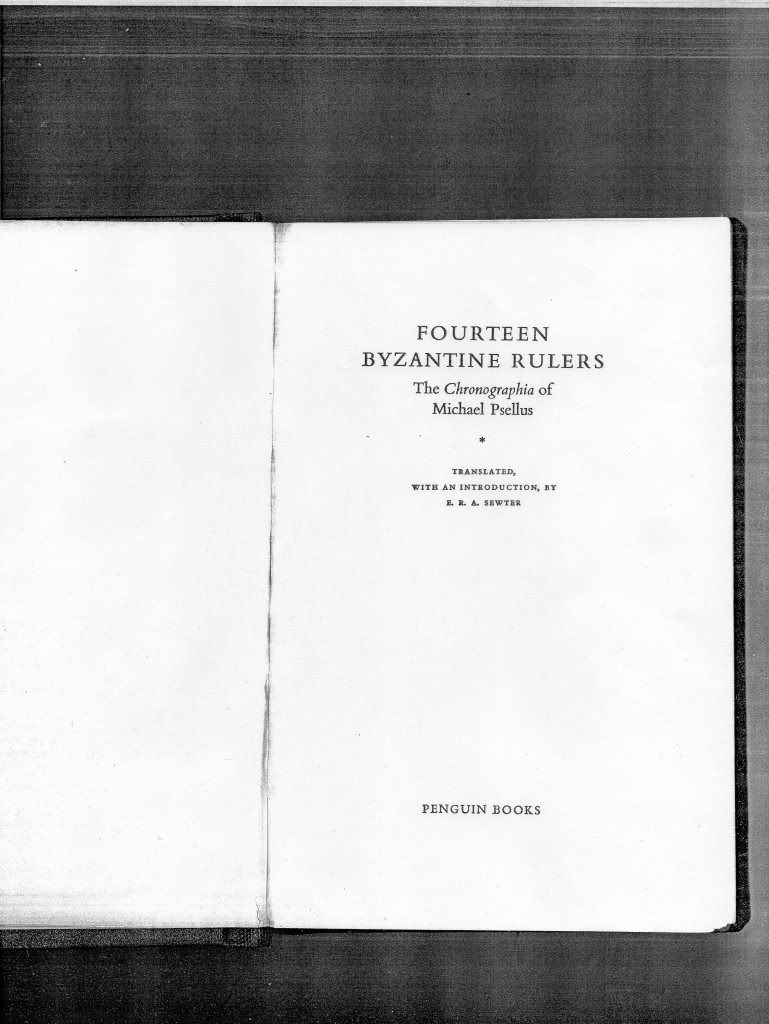
Psellus.jpg

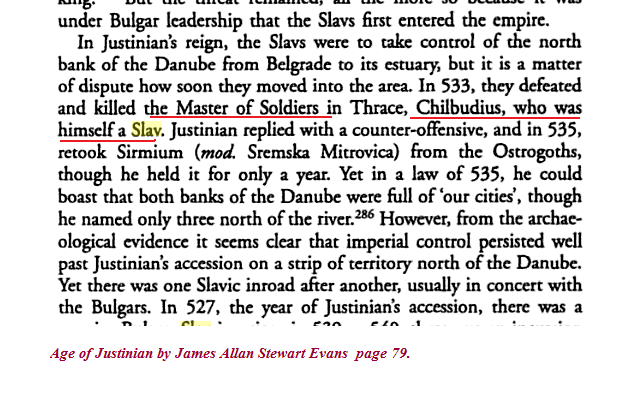
Psellus352.jpg
 
Hey SoM,

I found this in one of my books.

I hate it when the authors us the term "Slav" as a synonym for the term "Sklavenoi". Anyway ...

A Sklavonian chieftain, Chilbuldius, became a Roman commander, and one of their best. He was a Thracian, of Sclavonian origin, defending northern Thrace from Sclavonian marauders. (Proc.Wars vii. 38. 17).

Some of the Sclavonian tribal chiefs who had contact with the East Roman empire.

Chilbuldius
Aragastus
Musocius
Daurentius


Chilbuldius was the Master of Soldiers in Thrace, under Justinian.

Ardagastus and Musocius were titled as REX of Slavs.


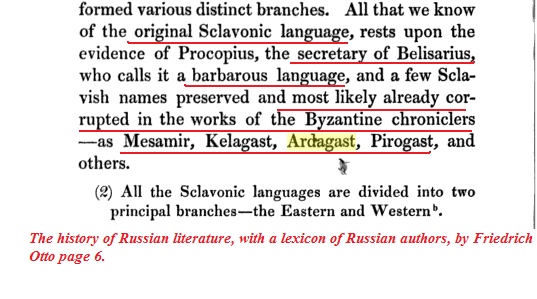
I would add to this list Mesamir, Kelagast, Pirogast.

The history of Russian literature, with a lexicon of Russian authors, by Friedrich Otto from 19th century.
 
Many of those "slavic" names do not sound slavic.

Pirogast
Ardagast
Kelagast
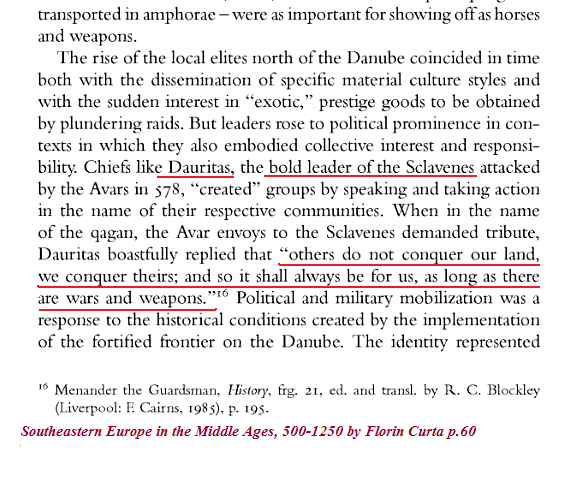
Dauritas
Chilbuldius

Perhaps they have already been corrupted by the Byzantine chroniclers. Does anyone have any suggestions as to what the "pre-corrupted" names might have sounded like?

I say we all name our kids after these famous people. .... sound familiar ??
 
The problem here is the use of the term "Slav" and the term itself. In his book "The Making of the Slavs" Florin Curta tackles this problem, and argues, that the term "Sklavenoi" used by Procopius for the first time ever, is ubiquitous, and refers to various groups, various Kings not under Roman rule. He argues that it is dubious as an ethnie because we have no evidence who they were, or reference point to compare them. He has shown that the Ister (Danube) was a border marking out an administrative region, and that it was used in this context, i.e., those under Roman rule, and those not. For example, the opposite of "Sclavenes" is not an ethnie, but a name for people willing to live under Roman rule.(p.348). Whoever they were, what Curta has done is open the possibility that the "Sclavenes" (whatever their ethnic group and language may have been), were natives to the lands on both sides of the Ister (Danube). This is the key point he made, I thought.

I think this is very insightful - barbarians native to both sides of the Ister (Danube) - were likely to be kinsmen, and even part of the same tribal group.

We find out what language the Thracians used, and spoke to fill in the picture.
 
This probably doesn't belong in this thread, but I couldn't help myself.

Curta shown that the Ister (Danube) was a border marking out an administrative region, and that it was used in this context, i.e., those under Roman rule, and those not. For example, the opposite of "Sclavenes" is not an ethnie, but a name for people willing to live under Roman rule.(p.348).

That no Slavic ethnicity existed in the eyes of any sixth or seventh century Byzantine author, which could be compared to the modern concept of ethnicity, is shown by Pseudo-Caesarius's usage of the term 'sklavenoi'. To him, the opposite of 'Sklavenes' is (term in Greek) which was not ethnie, but a name for inhabitants of the Roman province of Dacia Ripensis.
[p.348], The Making of the Slavs.

Curta asks the question:

Who was exactly ravaging Thrace in the 580's and who, at the same time, was ravaging Greece?

Many of the attacks in Macedonia, and Thrace, could only have been done by locals. What Curta is suggesting here is that the term "Sclavene" could, at some point, have been used to describe natives not willing to accept Roman rule. Its just a possibility, but a real one.

That no "Slavs" called themselves by this name not only indicates that no group took on the label imposed by outsiders, but also suggests that this label was more of a pedantic construction than the result of systematic interaction across ethnic boundaries. p.350


550
"the Sclavenes did not pose a major threat to southern Macedonia"
551
The Sclavenes ravaging Thrace "departed on the homeward way with the other booty" p.87
579
No independant raid of the Sclavenes is known for the entire period until 579, despite the fact that the period is covered by more than one source p.89
579
Johen of Ephesus writes that "the accursed people of the Slavs" set out and plundered all of Greece ..."p.92
.
The phrase "people of the Slavs" suggests that "Slavs" is a space, a location.

584
John of Ephesus claims that the Sclavenes were occupying Roman territory "as if it belonged to them" p.94
616
Book II of Miracles of St Demetrius cross references several tribes in the book. In all cases we get the impression that they were a familiar presence. The Sclavenes were not just invaders they were "our Slavic neighbours"p.108
 
Last edited:
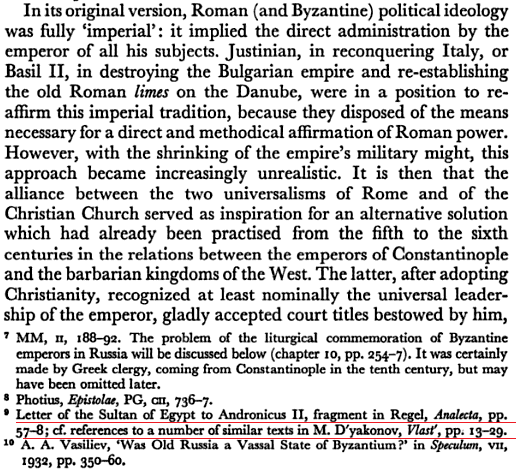
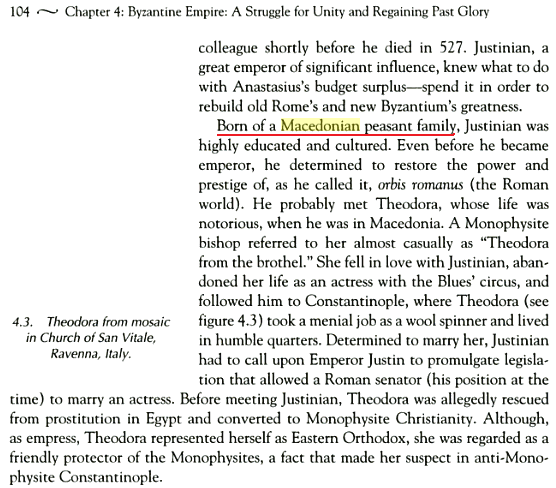
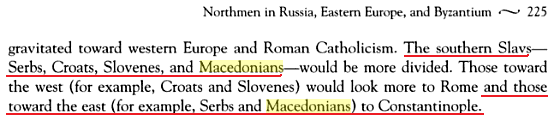
A Macedonian Theme could be brought to light through the use of the term 'barbarian'.

A land and people, barbarian to Greeks and Romans. The barbarian invaders of the 6th century (sometimes referred to as Sklavenoi), might have had more in common with the 'barbarians of antiquity' still presumably living in Macedonia, Thrace and Illyria, than with anyone else.
 
Last edited:
Check the below source written during the 11th century, it is called the Life of Mary the Younger. Take note of the highlighted part at the end of the text, could this be a reason why some Armenian writers of the time proposed an Armenian heritage for Basil the Macedonian?

http://www.fordham.edu/halsall/basis/maryyounger.html
At that time Basil [Basil I, ruled 867-886] ruled the empire, not the one born in the purple, but Basil the Macedonian. He was the one who became an emperor after being a stable hand, and the one who slew the Emperor Michael [Michael III, ruled 842-867]. It was under this Michael that the effrontery of the iconoclasts was brought to an end, and that the doctrine of the Orthodox began to sprout afresh. History hands him down as the "son of Theophilos" [Theophilos, ruled 829-842], the last of the iconoclasts, but his imbibing of much wine has also led him to be ridiculed as "the drunkard" [methuonta]. One Basil had removed Michael, he substituted himself in the Imperial office. At the time Basil was ruling, some powerful men from Great Armenia came to the great city of Constantine and approached the Emperor. He received the men gladly, giving them gifts and exalting them with honors, <for which he> was held in repute by the first ones honored.
 
Many of those "slavic" names do not sound slavic.

Pirogast
Ardagast
Kelagast
Dauritas
Chilbuldius

Perhaps they have already been corrupted by the Byzantine chroniclers. Does anyone have any suggestions as to what the "pre-corrupted" names might have sounded like?

I say we all name our kids after these famous people. .... sound familiar ??

Risto, there could be few variations of the names.

The names we see are already Latinized pretty much.

One example is Belisarius, whos real name was Beli-Car.


The problem here is the use of the term "Slav" and the term itself. In his book "The Making of the Slavs" Florin Curta tackles this problem, and argues, that the term "Sklavenoi" used by Procopius for the first time ever, is ubiquitous, and refers to various groups, various Kings not under Roman rule. He argues that it is dubious as an ethnie because we have no evidence who they were, or reference point to compare them. He has shown that the Ister (Danube) was a border marking out an administrative region, and that it was used in this context, i.e., those under Roman rule, and those not. For example, the opposite of "Sclavenes" is not an ethnie, but a name for people willing to live under Roman rule.(p.348). Whoever they were, what Curta has done is open the possibility that the "Sclavenes" (whatever their ethnic group and language may have been), were natives to the lands on both sides of the Ister (Danube). This is the key point he made, I thought.

I think this is very insightful - barbarians native to both sides of the Ister (Danube) - were likely to be kinsmen, and even part of the same tribal group.

We find out what language the Thracians used, and spoke to fill in the picture.


I will quote myself from another forum, it's on macedonian:

Имено како што објаснуваат Русите, појава на “К“ во терминот СЛАВ, доаѓа како последица од правилото во грчкиот јазик дека пред буквата “л“ задолжително треба да стои “к“.
Бидејќи Грците не читаат “л“ доколку претходната е “С“. И добиваат «скл».

Кај Грците истотака со времето дошло до замена на буквата “б“ со буквата “в“. Имено во старогрчкиот буквата БЕТА се читала како “Б“.

Додека за времето на Византија, таа веќе преминала во “В“.

Оттука го добиваме и терминот - СКЛАВ - SCLAV

Поради ова подоцна Римјаните како последица од употребата на Грчкиот јазик, го прифаќаат и употребуваат терминот СКЛАВ.

Меѓутоа, водејќи се по овие инструкции доаѓаме дека оригиналното име се читало всушност - СЛАБ.

И сега Русите тврдат дека тоа означувало - С ЛАБа , з Лаба, односно ОД ЛАБА.

Лаба е река во Северен Кавказ. блиску Црноморскиот басен.

Но истото име ЛАБА, во Чешкиот јазик ја означува реката ЕЛБА која извира од Чешка територија,но течението и во Германија.

Во регионот на Кавказ, во периодот на Александар и Рим подоцна, се наоѓало Кралството САРМАТИЈА.

А во Арапските земји дел од Средоземното подрачје, терминот Саклаб со кој ги нарекувале Словените е преземен од старогрчкиот назив - склаби - и затоа кај нив се задржала буквата бета во првобитното значење - “Б“- читајќи се САКЛАБ/САКАЛАБИ и означувал - РУСОКОС.


Меѓутоа произлегувањето на “СКЛАВЕНИ“ од “СЛАВЕНИ“ не е лингвистички издржано ниту потврдено.
Терминот РОБ вака се пишувал на повеќето стари западноевропски јазици:

средновековен Латински - sclavus
старо французски - esclave
средно англиски - sclave
средно ирландски - scolyc (слуга)
старо норвешки - scolkr
готски - skalks

Изоставувањето на “К“ од “скл“ во модерните јазици потекнува од 17 век, и со тоа се довело до забуна денес меѓу SCLAV кој преминал-> SLAVЕ и СЛАВ (Славјан, Словен) според сите Словенски јазици.

Бидејќи во ниту еден словенски јазик не се јавува буквата “К“ во називот СЛОВЕН или СЛАВЈЕН.

Ниту Германците порано не си се нарекувале себеси Германци, ниту Шпанците се нарекувале Шпанци, тоа се Латински наметнати назви, затоа не многу поразличен е и случајот со нас каде никогаш не сме се нарекувале Склавени-РОБОВИ, кое ни е наметнато од Латинскиот.

Воопшто, кога ќе ги земеме имињата Светослав, Славица, Мирослав, Југослав и многу др. слични кои го содржат - слав - многу е апсурдно дека неговото значење е РОБ.

Зарем самите ние би се нарекувале себе си СВЕТ-РОБ, РОБ-киња, МИР-РОБ, Југо-РОБ.


Валидни можат да бидат само две дефиниции, според етимологијата на сите словенски јазици:
1. Слав- од СЛАВА
2. Слов- од СЛОВО

I hope you will understand.


Who were the Slavs, according to Curta:

WhowereSlavs-Kurta59page.png


WhoweretheSlavs61.png


It says enough.
 
The phrase "people of the Slavs" suggests that "Slavs" is a space, a location.


Sclavonia in modern Italian means Slavonia, a region in Crotia.
http://encyclopedia2.thefreedictionary.com/Sclavonia

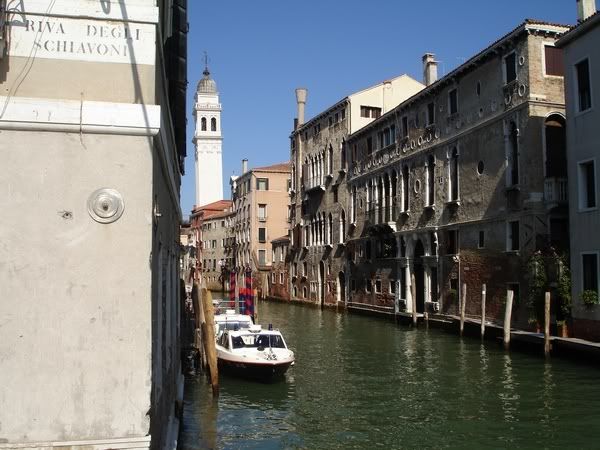
"Scuola di San Giorgio degli Schiavoni" this school was founded in 1451 by the Dalmatian population in Venice.

"Schiavoni" /ski,a,vo,ni/ translated from Italian means - SLAV

http://active.italia-obnovlenie.ru/to_see/sightseeing/1944.html

Riva.jpg


But also something else is interesting:

Sclavonia may refer to:

Scalovia (Prussia)

Scalovia (German: Schalauen) was the area originally inhabited by the now extinct Baltic tribe of Skalvians or Scalovians (German: Schalauer) which according to the Chronicon terrae Prussiae of Peter of Dusburg lived to the south of the Curonians, by the lower Memel (Nemunas) river, in the times around 1240.

The centre of Scalovia was supposed to be Ragnit (Raganita).
http://www.neman-online.info/

The origin of the name according to Prussian chronicles is derived from one of the Prussian brothers name Schalauo.

The inhabitants can be traced back to burial grounds with cremated remains and occasional graves of horses. Judging from the diggings, Scalowians are assumed to be relative to other western Balts such as Curonians and more distantly to eastern Balts such as Latvians and Lithuanians.

The territory once inhabited by Scalovian people, which had been a part of Lithuania Minor, is now divided between Lithuania and Kaliningrad Oblast.
 
The name Craterus (Kratero) is an ancient Macedonian name by origin, used later during the Roman period also. Interestingly, this Macedonian name was used as the family name of the Christian Slav called Andrew.
 
Craterus was not only an Ancient Macedonian name, but probably one of the most powerful names in Macedonia during and after the Death of Alexander the Great.

Craterus was his best general, or best fighter. He was also a Kosturchanec.
 
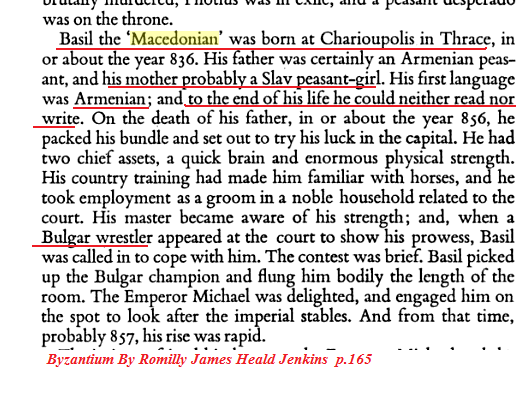
BasilMacedonian.png


Basil was illiterate all his life!

His mother was probably of Slavic origin and he was Armenian by father side.

True hardcored fullblooded Greek! haha
 
Last edited:
BasilMacedonian.png


Basil was illiterate all his life!

His mother was probably of Slavic origin and he was Armenian by father side.

True hardcired fullblooded Greek! haha
It is more than likely that both the Macedonian Dynasty and Tsar Samuel's family were a mix of local Slavonic and imported Armenian elements. The above source you posted sounds similar to the story of Justin, an illiterate peasant with a 'barbarian' wife called Lupicina, that became Roman Emperor from his humble beginnings. Such a rich history Macedonia has.
 
Another interesting find:

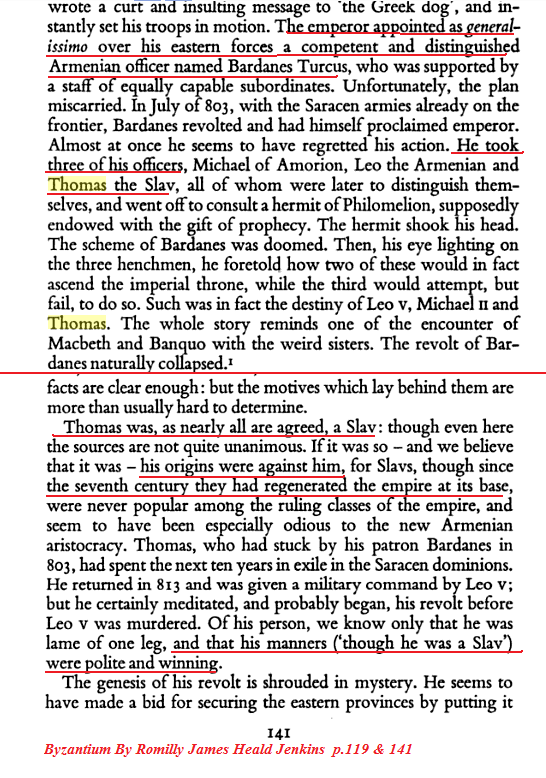
Thomas the Slav was originally a Byzantine military and naval commander entrusted with a very high command during the reign of Emperor Leo V the Armenian.

A picture of Thomas the Slav (left) and the attack by Mourtagon (Khan Omurtag).

Khan Omurtag sent an army to help Michael II put down the rebellion which attacked the rebels from the rear and defeated them.

ThomasTheRebelAndMourtagon.jpg


ThomastheSlav.png
 
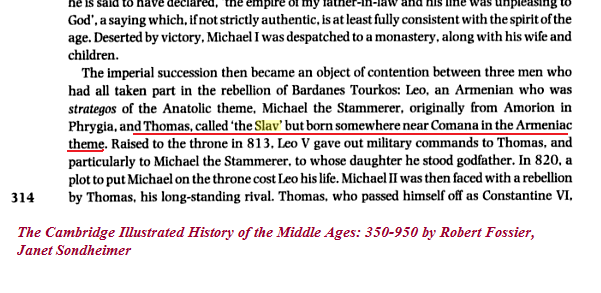
And look where Thomas the Slav was born:

ThomastheSlav2.png


The Theme Armeniakon is located in eastern Turkey on the Black sea coast.
 
Back
Top