• Welcome to the new Macedonian Truth Forum. All posts, members and private messages have been moved over from the old forum.

    Passwords from the old forum could not be carried over, so please use Forgot your password? to set a new one. The reset link is emailed to the address on your account.

  • Rules and Regulations at the forum of the Macedonian Truth Organisation (MTO)

    (1) The national-ethnic and cultural-linguistic identity of the Macedonian people is historically Macedonian, and derives its character from the native, indigenous and geographic homeland of the Macedonians, which is called Macedonia. To ensure that their human rights, integrity and heritage are appropriately respected, the only nouns and adjectives acceptable when reference is made to the above character and identity markers is Macedon, Macedonia, Macedonian and Macedonians.

    (2) The nation-state of the Macedonian people is the Republic of Macedonia, and is to be referred to by this official title so long as the 'republic' prefix is consistently applied to other states. Alternative references are the Macedonian Republic, or simply, Macedonia.

    (3) The 'ethnic' prefix is only acceptable for Macedonians in cases where differentiation is specifically required - so long as it is in context and consistent where it concerns its application to other ethnic groups.

    (4) Should any other differentiation be specifically required, the names of other ethnic groups that reside with Macedonians in either the Republic of Macedonia or the occupied Macedonian regions in Greece, Bulgaria, Serbia or Albania, are to be given a prefix.

    (5) Negating the identity, language and culture of the Macedonian people by deliberate avoidance of the terms Macedonia, Macedonian and Macedonians, or by any other means, is not permitted.

    (6) Systematic anti-Macedonian propaganda and rhetoric are not permitted.

    (7) Threads irrelevant to the Macedonian Cause, the community at the Macedonian Truth Organisation or the Macedonians in general may be considered as spam or not in the spirit of the forum. In such cases they are not permitted.

    (8) Continual posting of messages in threads with the sole purpose of deviating from the initial topics with the use of unrelated and unnecessary information is not permitted.

    (9) All posts, external articles, reports, etc that are cited in languages other than Macedonian or English, must be accompanied with a translation in one or both of the said languages.

    (10) Despite the possibility of some conversations and debates becoming heated, extreme abuse and/or racism, vulgar language and/or terminology, threats, revelation of personal information about others, harassment, and other such behavior will not be permitted. If deemed necessary all relevant information including member details will be reported to the appropriate authorities for investigation which may result in legal action.

    (11) Threads that are created must have a summary of a topic or excerpt of an article found in pertinent link(s) that have been included. One line threads will be considered unaccetable spam and are therefore not permitted.

    (12) Compulsive and deliberate lies, irrespective of the topic, are not permitted.

    (13) Any symbols or avatars found to be perceived as offensive to Macedonians are not permitted.

    (13) Any explicit or extreme material is not permitted.

    Failure to adhere to the above rules and regulations will result in a ban after 3 breaches. This may be reconsidered in some cases should the circumstances be of an unorthodox nature and/or require special consideration. To assure an effective deterrent against an individual or individuals with the sole purpose of causing dissent through spamming, racism or other improper means, the above rules will be strictly enforced.

    The MTO administration will monitor all discussions as reasonably practical and reserve the right to remove any post and/or member from the forum, and update the rules and regulations as required. Members are encouraged to immediately report any post and/or member to the MTO administration if they feel that these rules have not been abided by.

    The views expressed on this forum are those of the individuals. The only official representation of the MTO is made by the "Macedonian Truth Organisation (Site Owner)" username, and no other.

  • Macedonian Cause

    The Macedonian Truth Organisation calls on God in Heaven to protect, bless and guide the endeavour it is committing to undertake, and that is to work towards:

    Securing Macedonia as a free, independent and democratic republic in which sovereignty lies with the Macedonian citizens; as the nation-state of the Macedonian people in which they can preserve their culture, language and identity; as a state in which the Macedonian language and culture form the basis of public life and act as important unifying elements of Macedonian society; as the home of all its citizens to which it guarantees and obliges their inalienable natural rights and corresponding responsibilities;

    The acknowledgment as self-evident and irrefutable the existence of the:

    1) Indigenous, ethnonational name of Macedonia;
    2) Macedonian people, language and identity;
    3) Macedonian culture, symbols and folklore;
    4) Macedonian ancestry, heritage and history in its entirety; and
    5) Macedonian Orthodox Church;

    Securing recognition by the International Community of the tragedies endured by the Macedonian people, of the division of Macedonia with the signing of the Treaty of Bucharest on August 10, 1913, and the genocide committed against the Macedonian people at the hands of the Greek, Bulgarian and Serbian states and their respective churches during the 19th and 20th centuries;

    Ensuring that the Interim Accord is declared ‘null and void’ and that all constitutional provisions, acts, commitments, agreements, legislation, regulations, policies or programs emanating from, supporting or consequential to the Interim Accord are also declared ‘null and void’, including the use of any symbols and the completion of any acts imposed by, or originating from, the Interim Accord.

    Ensuring that the Framework Agreement is abolished and that all constitutional provisions, acts, commitments, agreements, legislation, regulations, policies and programs emanating from, supporting or consequential to the Framework Agreement are also abolished and replaced by a framework of constitutional and statutory law based on inalienable natural rights and corresponding responsibilities and universally codified human rights mechanisms.

    Securing the abolishment of any existing constitutional provisions, acts, agreements, legislation, regulations, policies and programs that discriminate against the Macedonian people, in any international organisation or any of the countries of the International Community where such constitutional provisions, acts, agreements, legislation, regulations, policies and programs exist, and thereby ensuring the freedom for Macedonians to exercise their inalienable natural rights and fulfil their corresponding responsibilities, and practice their culture, language and religious faiths in all the countries of the International Community without hindrance;

    The empowerment of Macedonians to undertake a moral revolution and to instil and/or reinvigorate within themselves a deep-rooted national, cultural, linguistic and historical dignity and a commitment to the exercise of freedom based on inalienable natural rights and corresponding responsibilities;

    The recognition of the Macedonian minorities in the neighbouring states of Macedonia as well as the respect for the inalienable rights and freedoms of the Macedonian minorities, as provided for by natural law and as codified by the United Nations Charter, the Universal Declaration of Human Rights and other universally codified human rights mechanisms;

    The full and unreserved respect of, and the support for, the rights of all people of non-Macedonian descent living in Macedonia and around the world, who share a reciprocal full and unreserved respect for the Macedonian people, their homeland and their state;

    The cultural unification and solidarity of the Macedonian people living in all parts of historical Macedonia and adjacent territories, as well as Macedonians throughout the world;

    The unity of all Macedonians on the principles, objectives and achievement of the Macedonian cause as defined by this declaration.

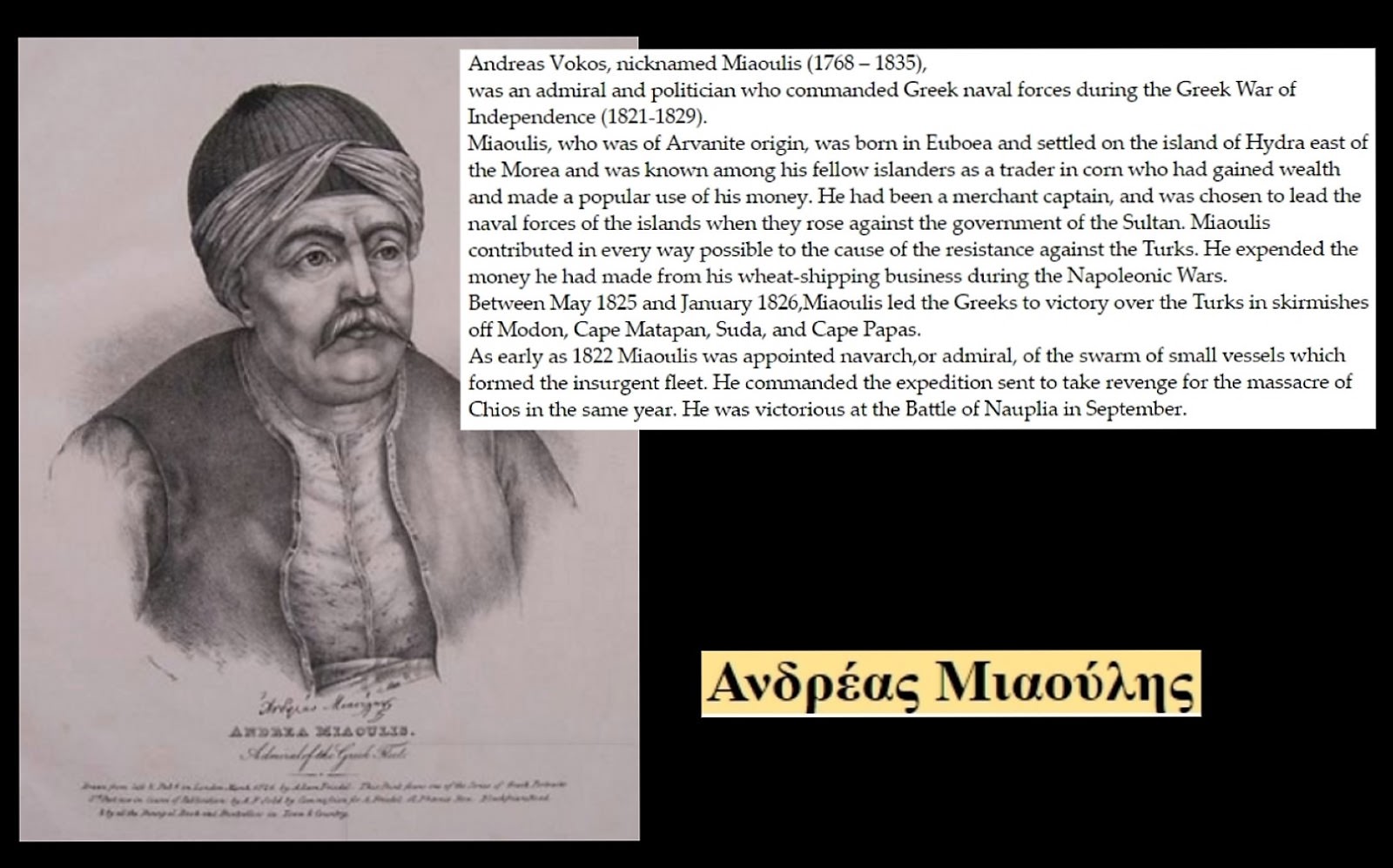
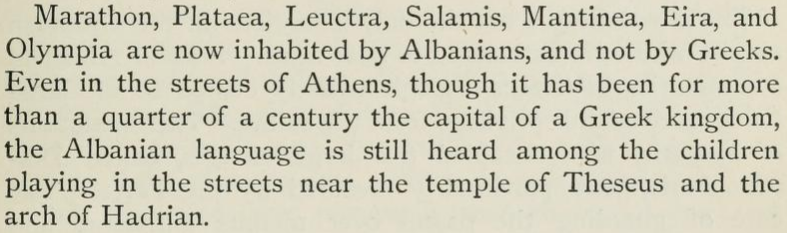
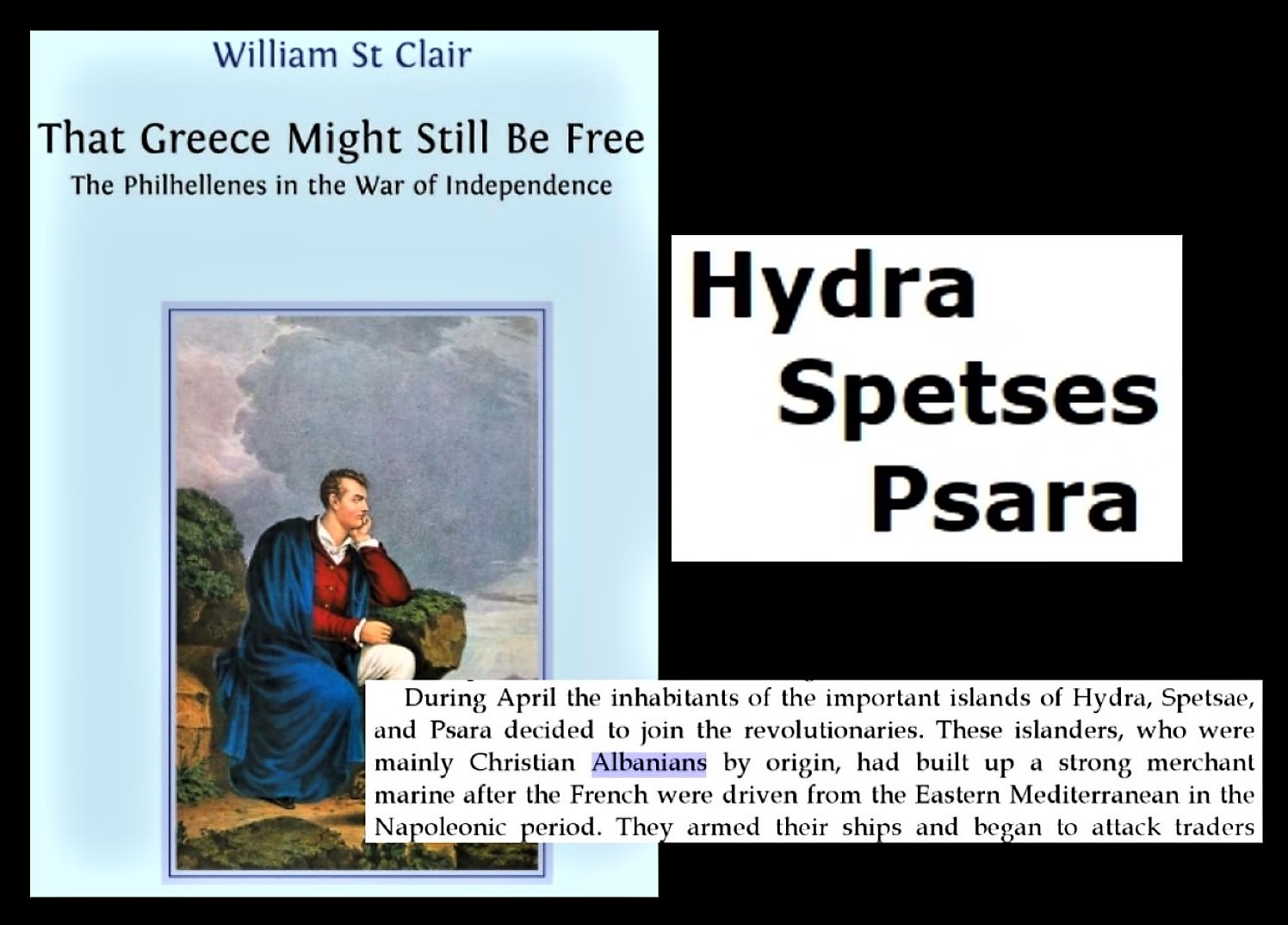
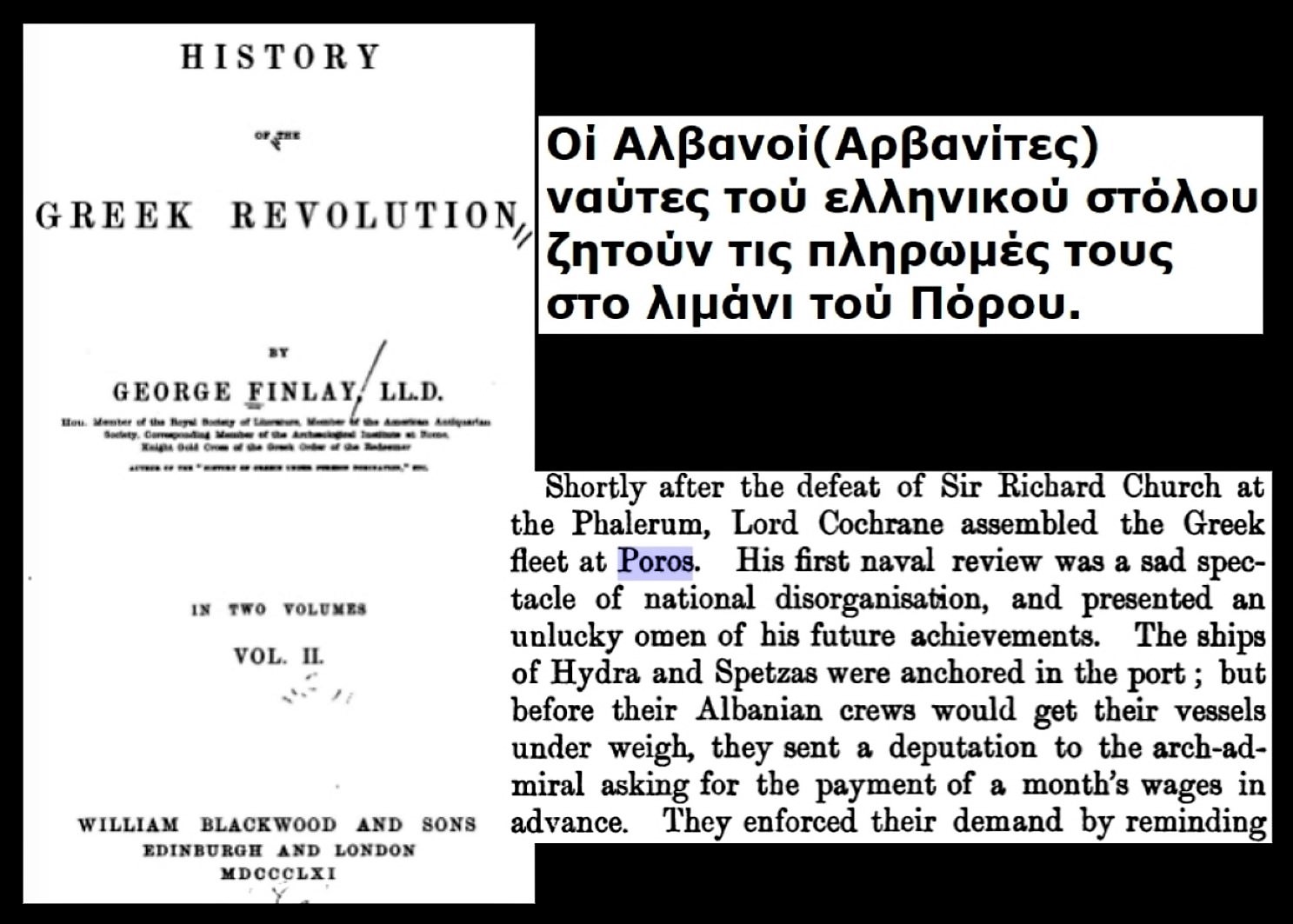
The Real Ethnic Composition of Modern Greece

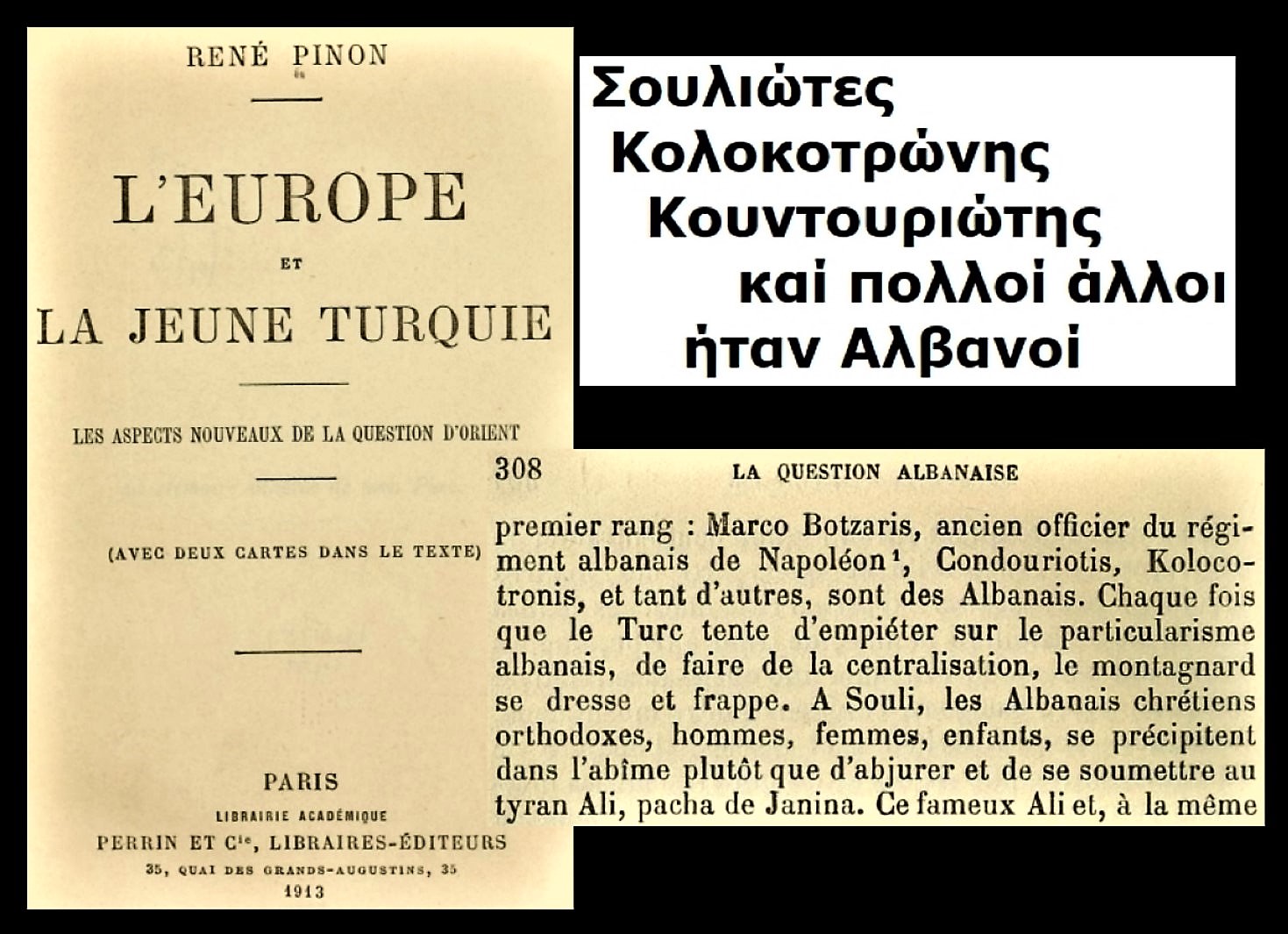
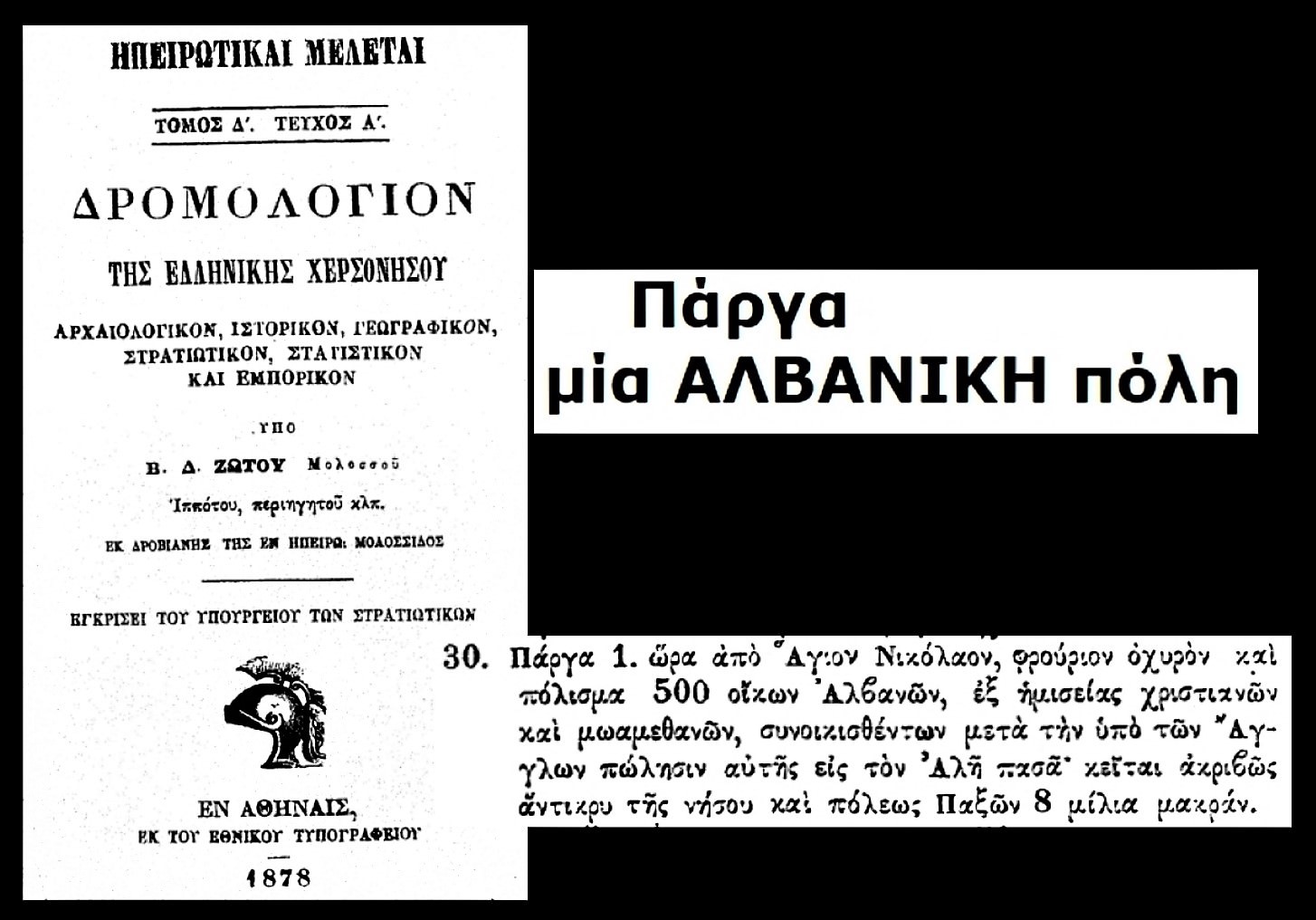
The Dutch historian and geographer Olfert Dapper (1688) reports about the Arvanitic population of the islands of Salamis, Poros, and Aegina, "The inhabitants of these islands are very poor and live in poverty, as do almost all the Albanians that are scattered all over Greece" (1688: 145 f.).

Did he use the terms 'Albanian' and 'Greece' specificaly or are these modern transliterations?
 
I haven't seen the original text but after I did some research it turns out the author actually never visited Greece.
 
Last edited:
Can't find much on this Simeonovski, do you know any more?

It seems that Simeonovski was from Debar, and lived in Bulgaria. He was part of the Macedonian emigration there (he was a member of the Debar Brotherhood in Bulgaria). He worked as an inspector at the Ministry of Commerce, Industry and Labor. He originates from the prominent Debar family Simonovci - Симоновци.

In 1927, Gavriil Simeonovski, published the "Political History of the Western Macedonian Region (Contribution to the Bulgarian National History - Samuil's Age - 980-1014 with Chronology of the Events and the Kings from the Founding of the Bulgarian Kingdom - 679 to today)" [Политическа история на Западната Македонска Област (принос към българската национална история - Самуиловата епоха - 980-1014 с Хронология на събитията и царете от основаването на българското царство - 679 год. до днес)].
 
Clearly, a certain modus vivendi had been achieved that served the interests both of the Ottomans and of the Christian populations in the highlands.43 All the same, Vlachs were still living on the Thessalian plain between 1454 and 1506. In Damassi near Elassona, which was then a small, but fortified town, 314 Christian families are recorded. Of these, 184 are referred to as ulah or Vlach-speakers and 130 as rum or Greek-speakers. In 1506, Ottoman sources mention Vlachs living in ...
https://books.google.com/books?id=0...ved=0ahUKEwjSxqi9ir_aAhXPKlAKHahbAxkQ6AEIJDAA

I'm far from certain and confident that we can interpret the terms ulah and rum in a manner illustrated above.

The Ottoman chancery used the term "Vlach" as an adminstrative fiscal term for pastoral clan groups performing certain services for the state, including those of military character, in exchange for tax exemptions or reductions. Since ethnic or religious identities of "Vlachs" were not a matter of the Ottoman's chancery concern, but the groups' services to the state, pastoral mode of production, and taxes they were required to pay, the term "Vlach" in the Ottoman documents might sometimes denote population that is not in a strict sense Vlach.

Similarly to the term "Vlach", the terms "Rum" or say "Yuruk" had an adminstrative meaning as well. For example, the term "Yuruk" lost its exclusive ethnic quality and became predominantly a "legal term" when it entered adminstrative use along the introduction of Yuruk kanuns in the time of Mehmed II. The terms "yurukluk" and "yurukculuk" in Ottoman adminstrative sources, denote primarily a distinctive social category, militarised status and special tax regulation.

In Ottoman documents from the 17th century, there are a group of fermans, berats and huccets, in which the term "Vlach" is COMBINED with the terms Surf/Serf ("Serb") and RUM. The second, rather ambiguous term RUM, obviously originates from the identification of the 'Byzantium' with the Eastern Roman Empire, which borrowed its name to the Ottoman possessions in the Balkans as well: Rum-ili ("Land of the Romans"), i.e. Rumelia. Vlach adoption of Orthodox Christianity, as well as Byzantine culture, tradition and heritage might led to their identification with the Byzantines as Rums, which seems to be acknowledged by the Ottomans as well. It shall be emphasised that the Rum identity was much wider than the (Assumed) Greek one, and it integrated all followers of the Orthodox Church, the institution that outlived the Byzantine Empire.

In Ottoman adminstrative use the following COMBINATIONS OF TERMS are documented (a few examples):

- Rum ve Sirf ve Eflak keferesinin ayinleri = "rites/customs of the Orthodox Christian, Serbian and Vlach unbelievers" in ferman from 1615;

- Serf ve Eflak milletinde olan rahibler = "priests in the Serbian and Vlach millet" in a berat from 1626;

- Rum ve Serf ve Eflak dinleri = "the creeds of the Orthodox Christians, Serbs and Vlachs" in huccet from 1662;

- Rum ve Sirf ve Eflak piskoposlari = "bishops of the Orthodox Christians, Serbs and Vlachs" in ferman from 1669;

- Rum ve Sirf ve Eflak keferesi patrikleri = "patriarchs of the Orthodox Christian, Serb and Vlach infidels" in huccet of 1688, etc.

The use of multiple names - RUM, SIRF/SERF and EFLAK - however, does not necessarily mean the existence of three distinct identities/ethnicities at the given date, but probably reflects other/earlier realities and/or socio-economic categories. Interestingly, all citations / examples provided above are largely from the regions of Bosnia/Herzegovina (but apply elsewhere throughout the Balkans) - so one would be rather foolish in this case here to assert and argue that the term RUM had ethnic and/or linguistic meaning and value (i.e. = Greek).

Another curious fact, unrelated perhaps, is that Bosnian Franciscan writers and chroniclers in the 17th and 18th centuries did not use the "ethnonym" Serbs to denote the Orthodox Christians in Bosnia but, apart from polemical "schismatics" or "Old believers", most widely employed the term "VLACHS" (VLASI). For example, the 18th century Franciscan chronicler Nikola Lashvanin depicted attempts of the Serbian Orthodox Christian patriarch to collect taxes from the Catholics and allegedly convert them to the Orthodox Christianity, as "VLACHIZATION". So, why did the Bosnian Franciscans, as indigenous people that were usually well aware of local particularities, not use the term "Serb" in the period when it was widely in use by the Orthodox clergy and even Ottoman chancery, but preferred terms "Vlach" in general or "GREEK" (Grk) and "schismatic Greek patriarch" (Scismaticus Patriarca Graecus) when referring to the patriarch or higher clergy? Note - the traditional use of the term "GREEK" in the meaning of "Orthodox Christian" in the Western Christendom corresponded to the use of the term "Rum" in the Ottoman case.

Despite the irrelevance of ethnic origin on the adminstrative definition of Vlach status, its general significance should not be overlooked. I will reiterate the point here one more time that the term "Rum" is perhaps the most ambiguous term in terms of usage, and largely denoted "Orthodox Christians" (perhaps "Romans" in a national-religious sense).

As a result, I would be rather cautious interpreting the terms as you have - or as your source did (since we don't have the full context), even if we are talking about Thessaly.

My source for all of the above is:

Being an Ottoman Vlach: On Vlach Identity (Ies), Role and Status in Western Parts of the Ottoman Balkans (15th - 18th centuries) by Vjeran Kursar.

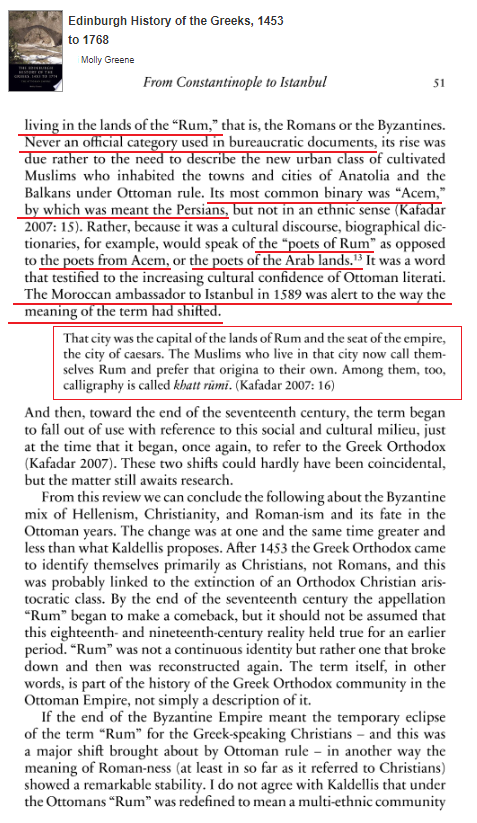
One more thing regarding the term "Rum" - note that the Morrocan ambassador to Istanbul in 1589 reported that the "Muslims who live in that city now call themselves Rum and prefer that origina to their own. Among them, too, calligraphy is called khatt rumi."

How then did these Muslims use and understand the term RUM? What did the term RUM mean in 1589 Instanbul? Why / how would we assume that the term RUM in this specific context meant Greeks (or association with the Greek language), i.e. that these Muslims actually called themselves Greeks? Could we make that leap of faith? Why would we - as it clearly states in the same quote that Istanbul was the city of caesars (Roman Caesars), capital of the Lands of Rum (Roman Lands)?

Here is a screenshot where the quote comes from - perhaps the entire page is worth a read (this does not mean / imply that I agree 100% with the views expressed below).


PS:
In the early Islamic sources, Bilad al-Rum (countries of Rum) meant "Byzantine" territory, and Muslim scholars such as Bukhari, Tabari, and Masudi referred to these lands as “Rum.” The natural frontier of Bilad al-Rum was defined by the Taurus Mountains and the Euphrates. The term began to be applied to the Seljuks in Anatolia, who were called Selçukiyan-ı Rum, setting them apart from the Seljuks in Baghdad. For the Ottomans, the term was used to refer to, among other meanings, the country that they inhabited, Memleket-i Rum (the country of Rum). <-- From Zeynep Aydoğan.

 
Last edited:
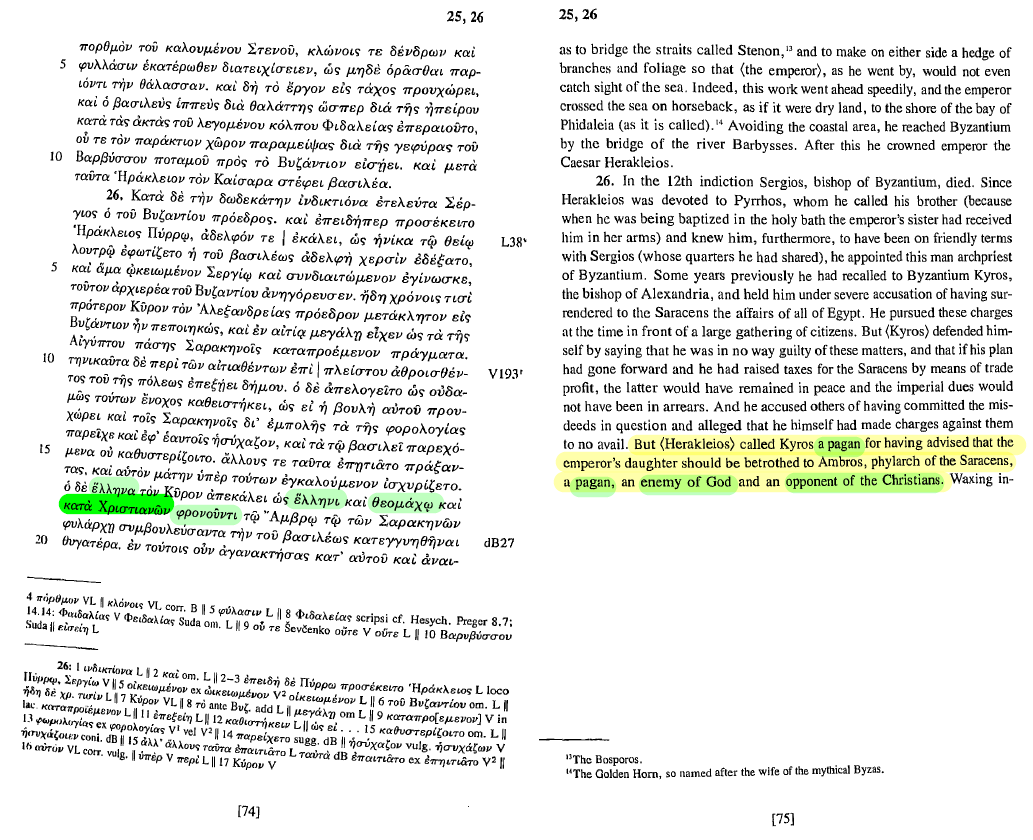
Please take a CLOSE look at the original and the translation.


Herakleios called Kyros a HELLENE for having advised that the emperor's daughter should be betrothed to Ambros, phylarch of the Saracens, a HELLENE, an enemy of God and an opponent of the Christians.

The translation uses the term pagan, which is correct. The term "Hellene" did not have an ethnic/national meaning.

I also found out that the Armenian emperor Constantine Porphyrogennetos did actually use the term ''Hellene'' to refer to ethnic ancient Greeks (antiquity), and at the same time to also refer to pagans of Middle Ages.

So the Byzantines were not ignorant to not know what was the meaning behind the word ''Hellene'' or where it originated, when they used it as insult for the pagans.
 
Last edited:
I also found out that the Armenian emperor Constantine Porphyrogennetos did actually use the term ''Hellene'' to refer to ethnic ancient Greeks (antiquity), and at the same time to also refer to pagans of Middle Ages.

So the Byzantines were not ignorant to not know what was the meaning behind the word ''Hellene'' or where it originated, when they used it as insult for the pagans.

I think the point is not where the term originated, but its value or meaning. As Modern Greek writer Anastasios Philippides has demonstrated, the term "Hellene" had acquired a purely religious significance long before "Byzantium":

The term “Ellin” (Hellene) had by then acquired a purely religious significance and was thus linked to the notion of “idolater”. It appears that this about-face had already begun to take place during the first post-Christian century, long before Christianity was made the official religion of the State. In the Gospel of Mark we read about a certain woman who had approached Christ when he was in Tyre, whom the Evangelist says was a “Hellenis, of Syrian-Phoenician nationality” (“ην δε η γυνη ελληνις συραφοινικισσα τω γενει” ) (Mark 7: 26). As correctly observed by P. Christou, if the woman was of Syrian-Phoenician nationality, then the term “Hellenis” (=fem. Hellene, pronounced hell-ee-niece) must have denoted her religion. 21 A few years after 300 A.D., Athanasios the Great, a Hellenic-speaking Father and Patriarch of Alexandria - a par excellence Hellenistic city – had written a homily titled “Against Hellenes”. If this word had continued to imply the Hellenic nation, then it would have been entirely absurd: that grand Hellenistic center was turning against- who? We notice the same thing in the homilies of Saint John the Chrysostom, offspring of another grand Hellenistic city: Antioch. The word “Hellenes” definitely denoted the impious, the idolaters.

St Paul also used the word Hellene for pagans.
 
I would have to disagree with you, here. Due to the fact that the references of Vlachs after the 14th century became more minimal my guess is that maybe large numbers of them were hellenized by the late dark ages. (and the other half during the Ottoman period together with the Albanians) However I strongly believe that they were not that numerous during the 19th century (as the historical documents imply).
However it is hard to tell, this is why I asked your opinion.

Greek nationalist propaganda for the assimilation of Albanians Aromanians and other 'barbaric' speakers is well documented during the 18th century I don't know much about before.

Here you have:
https://books.google.com/advanced_book_search
Google Advanced Book Searcher you can add the date from 1100-1700 for more specific material that you are looking for.
This was the best I could do:
https://books.google.com/books?id=V...KHcdVCL8Q6AEIJjAA#v=onepage&q=Blaquia&f=false

Also what do you think that happened to the previous Greek speakers that inhabited Thessaly and Epirus? In case of Slavs and Albanians massive wars, the Black Death and the plague of Justinian can largely explain, however Vlachs remain a mystery to me.

Howell's Historical Testimony applies to this thread.

URL:
http://www.macedoniantruth.org/2008...poken-in-macedon-greek-is-a-dead-tongue-1630/

Quote: "... yet it is so far that I could set foot on no place, nor hear of any people, where either the Attick, Dorick, Aeolick, or Boeotick ancient Greek is spoken; only in some places near Heraclea in Anatolia, and Peloponnesus, (now called the Morea) they speak of some Towns call'd the Lacones, which retain yet, and vulgarly speak the old Greek, but incongruously..."

According to this Testimony then - in the 17th century Greek was not known/spoken in Thessaly and adjacent regions (what languages were spoken in these areas then?).

If this Testimony is false/incorrect, I would like to hear the reasons, analysis and logical explanation as to how Howell can be debunked.
 
Basically what Howell is saying; is that old Greek is no longer spoken like it used to be ... well well neither is today. The Greek language that Romans used was not Doric, Ionic, Aeolic or any other native Hellenic dialect. They used Koine Greek. Which is what this is all about.

The author did not imply that there were no Greek speakers. He, however, leaves an important note that Slavonic is spoken in Epirus and Macedonia. Macedonia is an other story, but weren't Slavs in Epirus hellenized much earlier? Also did Albanians and Vlachs become the next dominant element in the region?
 
Last edited:
If this Testimony is false/incorrect, I would like to hear the reasons, analysis and logical explanation as to how Howell can be debunked.

Well, the problem is that James Howell never travelled to Greece as admitted by him in the same letter, which explains why I couldn’t find anything further by him.

It is a little hard to read (in this format) but the letter is only 4 pages (356-359) and it is all relevant and has been discussed before. It speaks on the spread and versions of Slavonic language, it mentions the myth of Alexander's testament at Prague which he seems to believe (this has also been discussed in the forum) and has a brief history on the expansion of the Greek language (which is also full of mistakes).

In short this is not a firsthand account, but judging from the details it does concentrate knowledge and information of the time, true or false.

https://books.google.gr/books?id=KaLzB3UdCd4C&pg=PA356&lpg=PA356&dq=james+howell+macedonia&source=bl&ots=RBGKrQPmNc&sig=A8MZJS_6Q7mzGbekVN455h11L8M&hl=el&sa=X&ved=0ahUKEwjNr-Slzd7aAhVJJlAKHbcyDPA4ChDoAQhbMAg#v=onepage&q=james%20howell%20macedonia&f=false
 
Back
Top